
Importance of Precision in Custom Metal & Steel Fabrication
Structural integrity is non-negotiable in commercial construction and heavy industrial engineering. For builders, developers, and project managers, sourcing materials that align perfectly with engineered blueprints is the difference between a seamless erection process and costly structural failures.
While off-the-shelf structural steel profiles serve foundational purposes, complex architectural designs and specialized industrial applications demand customized solutions. Partnering with a reliable steel distributor that prioritizes exact tolerances ensures that every beam, truss, and bracket integrates flawlessly on-site, mitigating risk and maximizing structural efficiency.
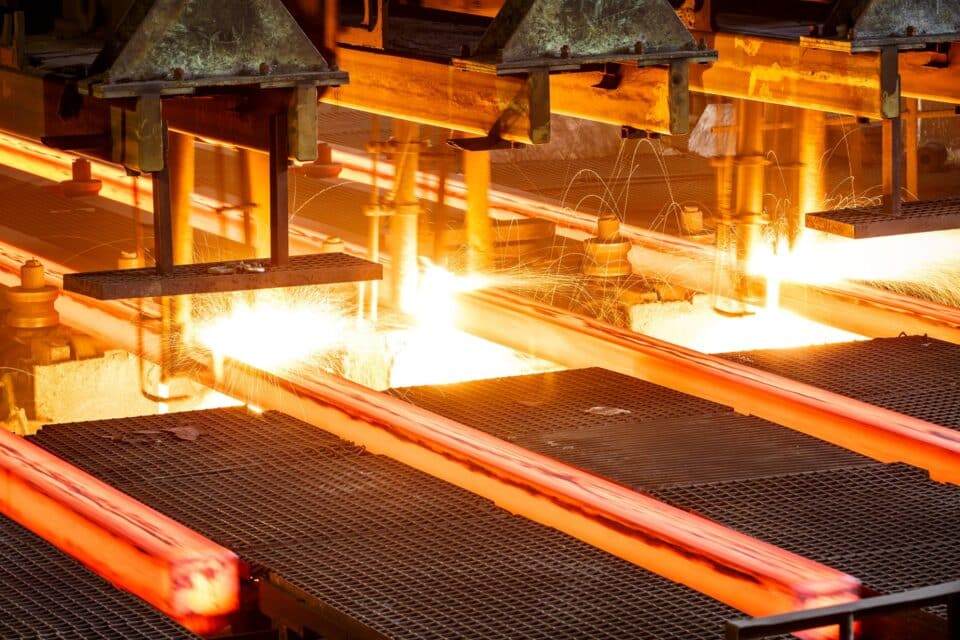
What Is Custom Metal & Steel Fabrication?
Eastern Steel Corporation is a dedicated steel distributor that bridges the gap between mill-run steel and highly engineered job-site requirements. Standard fabrication involves mass-producing structural shapes, including universal beams (UB), channels, and angles, to standardized industry dimensions. These elements are designed for general applications where structural configurations are predictable and uniform.
Custom metal and steel fabrication modifies standard structural steel through highly specialized cutting, CNC drilling, profiling, and welding to create complex geometries, non-standard connections, and high-load-bearing assemblies that standard components cannot accommodate.
Why Precision Is Critical in Custom Fabrication Projects
Precision in custom steel fabrication is paramount because even a minor variance of a few millimeters can compromise the load distribution of an entire frame. Field crews are forced to perform corrective modifications when structural components deviate from nominal dimensions. This leads to project delays, increased labor costs, and potential structural integrity issues. High-precision fabrication ensures that the physical steel matches the digital Building Information Modeling (BIM) files exactly, maintaining the load paths and safety margins calculated by structural engineers.
How Precision Impacts Product Performance
The mechanical performance of structural steel under dynamic and static loads depends entirely on the accuracy of its fabrication. Precise cutting and fitment ensure that bolted and welded connections transfer loads uniformly across structural members, preventing localized stress concentrations that can lead to fatigue or failure.
Properly aligned connections prevent gaps where moisture can accumulate, reducing the risk of crevice corrosion. Additionally, precise surface preparation ensures protective coatings adhere uniformly, extending the operational lifespan of the steelwork.
Precision Across Every Stage of the Fabrication Process
Maintaining strict quality control requires uncompromising precision at every stage of the fabrication workflow. This includes:
- Material Selection & Slicing: Sourcing high-grade steel with consistent metallurgical properties is the foundation. Precision cutting ensures exact lengths and square edges.
- CNC Drilling & Profiling: Bolted connections require perfect hole alignment. Using automated CNC drilling lines ensures hole placement to sub-millimeter tolerances, eliminating the need for on-site reaming.
- Precision in Welding and Metal Cutting: Advanced welding prep ensures optimal joint penetration. Welders working to WPS (Welding Procedure Specifications) maintain thermal control to prevent distortion and warping of the structural members.
Cost Benefits of Precision Fabrication
While precision steel fabrication requires specialized processing, it yields substantial cost savings throughout the lifecycle of a construction project. The cost benefits include:
- On-Site Assembly: While non-precision fabrication results in frequent field modifications, welding corrections, and re-drilling, precision fabrication guarantees a rapid, bolt-together assembly with minimal crane standby time.
- Labor Allocation: Precise processing enables streamlined erection schedules and optimized crew sizes.
- Material Waste: Non-precision methods often lead to high scrap rates due to miscuts or rejected members, whereas precision fabrication ensures near-zero material waste and optimal yield from raw steel profiles.
- Project Timeline: Avoid the compounded schedule delays and liquidated damages associated with poor fabrication.
Technologies Enabling High-Precision Custom Fabrication
Delivering high-precision custom steel fabrication requires a continuous investment in advanced manufacturing technology. The various technologies that enable high-precision custom fabrication include:
- CNC Plasma & Oxy-Fuel Cutting Systems: Enable rapid, automated profiling of thick steel plates with highly accurate bevels for weld preparation.
- 3D CAD/CAM Integration: Direct integration between detailing software and fabrication machinery ensures that the physical steel matches the approved shop drawings with absolute fidelity.
- Laser Measurement & Verification: Handheld and structural laser scanners verify dimensional tolerances prior to dispatch, ensuring that every assembly conforms to specification.
Common Challenges in Custom Metal Fabrication
Fabricating structural steel is inherently challenging due to the material’s physical properties. The intense heat introduced during welding and thermal cutting causes localized expansion and contraction, which can warp structural sections. Controlling this requires specialized fixture clamping, optimized weld sequencing, and heat-sink techniques.
Cold-formed steel profiles can retain residual stresses that are released during cutting, altering the beam’s straightness. Experienced fabricators anticipate and correct these deviations through precise mechanical straightening.
Selecting a Precision Custom Fabrication Partner
Your choice of steel distributor and fabrication partner directly impacts your project’s profitability and reputation. When evaluating potential partners, prioritize the following criteria:
- Robust QA/QC Protocols: Ensure the provider has a dedicated quality assurance program with traceable material test reports (MTRs) and documented inspection workflows.
- Advanced Technological Capabilities: Verify that their facility utilizes automated CNC machinery and direct CAD-to-machine workflows.
- Proven Structural Track Record: Look for a partner with documented experience delivering complex, tight-tolerance structural steel packages for commercial and industrial builds.
Contact Eastern Steel Corporation Today
Eastern Steel Corporation is your reliable, customer-focused steel distributor in Brooklyn, NY. We’re committed to delivering precisely fabricated structural steel packages that match your exact specifications. Contact us to learn more about our steel products today.