
Which Metals Don’t Rust? 4 Durable Picks for Tough Conditions
Four Rust-Resistant Metals Built for Demanding Environments
Corrosion can ruin structural integrity, destroy aesthetics, and drive up replacement costs. When working near the coast or in high-moisture areas, knowing which metals resist degradation can save your project.
For nearly a century, our team at Eastern Steel Corporation has supplied high-quality materials to builders, fabricators, and contractors across New York. Operating out of Brooklyn since 1924, we maintain a massive inventory to ensure your projects stand the test of time. This guide explores which metals do not rust and compares your top options.
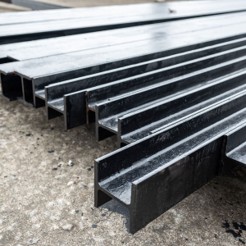
What Causes Metal to Rust?
Rust is a specific type of corrosion that occurs when iron reacts with oxygen and moisture. This chemical process is called oxidation. When iron-containing metals are exposed to air and water, they form iron oxide. This reddish-brown, flaky coat continuously eats away at the material until it structurally fails.
Does Steel Rust?
Yes. Ordinary carbon steel rusts quickly when exposed to the elements. However, not all degradation is rust. Other metals oxidize, but they form a protective patina rather than a destructive coating
What Metal Does Not Rust?
Strictly speaking, only iron and alloys containing iron can truly rust. Metals that do not contain iron, known as non-ferrous metals, cannot rust. They can still corrode or oxidize over time, but they do not form the destructive iron oxide flake that destroys structural integrity.
Some iron alloys are explicitly engineered with elements like chromium to block the oxidation process entirely. When evaluating what metals don’t rust, engineers look for materials that naturally form a passive barrier film to block oxygen and moisture from reaching the base metal. The 4 durable picks:
1. Stainless Steel
Stainless steel is an iron alloy containing at least 10.5% chromium. The chromium reacts with oxygen to form an invisible, self-healing microscopic layer of chromium oxide. This layer seals the iron away from environmental moisture. High-grade variants like 316 stainless steel contain molybdenum, making them immune to harsh saltwater environments.
2. Aluminum
Aluminum contains virtually no iron, meaning it cannot rust. When exposed to air, it immediately forms a hard, microscopic layer of aluminum oxide. This barrier halts further oxidation.
3. Copper, Brass, and Bronze
These red metals are entirely free of iron. Copper oxidizes over long periods to form a green protective patina (copper carbonate), which shields the metal from further decay. Brass (a copper-zinc alloy) and bronze (a copper-tin alloy) follow the same principle.
4. Galvanized Steel
Galvanized steel is carbon steel dipped in a molten bath of protective zinc. The zinc layer acts as a sacrificial shield. Oxygen and moisture attack the zinc first, sparing the underlying iron. It will eventually break down once the zinc layer completely erodes after decades of exposure, but it still remains a highly durable, cost-effective industrial choice.
How to Choose the Right Metal for Harsh Environments
Picking the right metal comes down to matching the material to your specific job site and budget:
- Are you near the ocean? If you are working anywhere near the Brooklyn docks or out on Long Island, the salt in the air is brutal. Stick with marine-grade 316 stainless steel or copper alloys to avoid pitting.
- Does weight matter? If you need something incredibly strong but don’t want a heavy structural load, like for a custom truck bed or roof framing, aluminum is your best bet.
- Need serious muscle? Big infrastructure requires the raw strength of steel. If stainless steel stretches the budget too thin, galvanized steel gives you that heavy-duty strength with excellent weather protection.
- Watching the bottom line? Aluminum and galvanized steel generally offer a much lower upfront cost compared to premium stainless steel or copper.
Additional Ways to Prevent Rust and Corrosion
If you are working with metals that need an extra layer of defense, fabricators have a few highly effective tricks up their sleeves:
- Powder Coating: This is way better than standard spray paint. A dry powder is baked onto the metal under high heat, creating a thick, plastic-like skin that seals out moisture.
- Epoxy Paints: Heavy-duty coatings act as a tough physical barrier to keep water and oxygen from touching the raw metal surface.
- Anodizing: Used mostly on aluminum, this chemical process thickens the metal’s natural protective skin, making it tougher and highly scratch-resistant.
- Keep It Clean: It sounds simple, but regularly washing away salt, dirt, and road grime keeps localized chemistry from eating through your metal’s defenses.
Which Rust-Resistant Metal Is Right for Your Project?
Here is the quick breakdown to point you in the right direction:
- Go with Stainless Steel if you need serious strength, high-end looks, or a perfectly sanitary surface.
- Choose Aluminum if you want something lightweight, easy to work with, and low-maintenance for outdoor enclosures or signs.
- Pick Copper or Brass for electrical conductivity, old-school marine hardware, or architectural accent pieces.
- Opt for Galvanized Steel for large outdoor builds, fencing, and framing where you need maximum strength for every dollar spent.
Secure Your Project With Eastern Steel Corporation
Using the wrong metal in a wet or coastal environment guarantees early repairs and wasted money. By grabbing time-tested materials that don’t rust, you can build with total confidence knowing your work is going to last for decades.
At Eastern Steel Corporation, we have been helping the five boroughs, Long Island, and Westchester County get their jobs done right since 1924. Because we keep such a deep inventory right here in Brooklyn, you don’t have to wait around to get the exact materials you need. Give Eastern Steel Corporation a call or stop by the yard, and let’s get your materials sorted today.
Every project manager, structural engineer, and procurement officer in New York City knows the reality of a tight job site. When structural steel…
Choosing between carbon steel and stainless steel can make or break your project’s budget and lifespan. While they look similar, their performance,…