
Understanding the Differences Between Stainless Steel and Aluminum
The Differences Between Stainless Steel and Aluminum
Selecting a metal for your project can be overwhelming. Stainless steel and aluminum have specific properties that make each perfect for various applications. Both metals offer distinct advantages, but they differ considerably in strength, weight, corrosion resistance, conductivity, and fabrication characteristics.
Understanding the difference between stainless steel and aluminum is essential for builders, contractors, and fabricators seeking the right balance of durability, functionality, and cost. Eastern Steel Corporation guides you through these differences.
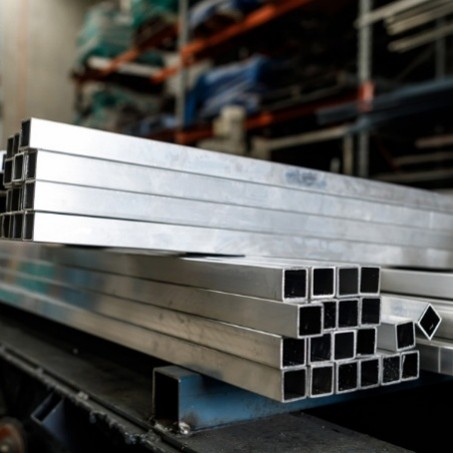
What Is the Difference Between Stainless Steel and Aluminum?
Stainless steel is an iron-based alloy containing chromium, which creates a passive oxide layer that enhances corrosion resistance. Depending on the grade, stainless steel may also contain nickel, molybdenum, and other alloying elements that enhance strength, toughness, and corrosion resistance.
Aluminum is a lightweight, non-ferrous metal valued for its excellent strength-to-weight ratio, conductivity, and natural corrosion resistance. Various aluminum alloys are engineered to meet specific structural and fabrication requirements.
The primary difference between stainless steel and aluminum is their balance of strength and weight. Stainless steel generally offers greater strength, hardness, and wear resistance, while aluminum delivers significant weight savings and easier machinability.
Is Aluminum Stronger Than Stainless Steel?
Usually, no. Stainless steel is generally stronger than aluminum. The full answer depends on the specific alloy and definition of strength:
- Tensile Strength: Most common stainless steels have higher tensile strength than common aluminum alloys.
- Stiffness: Stainless steel is much stiffer and bends less under the same load.
- Weight: Aluminum weighs about one-third as much as stainless steel, giving it an excellent strength-to-weight ratio.
- Corrosion Resistance: Both resist corrosion well, but many stainless steel grades provide superior protection in harsh environments.
Which Metal Performs Better?
Both stainless steel and aluminum offer corrosion resistance, but they perform differently depending on the environment. Stainless steel’s chromium oxide layer continuously regenerates when damaged, providing excellent protection in many industrial and outdoor environments. 316 stainless steel grades offer enhanced resistance to marine and chemical exposure.
Aluminum also develops a natural oxide layer that protects against atmospheric corrosion. In many outdoor applications, aluminum performs exceptionally well without additional coatings. Stainless steel typically provides superior resistance to chemicals, chlorides, and aggressive contaminants in harsh environments. Aluminum remains highly effective in many architectural, transportation, and general construction applications where weight reduction is equally important.
Why Aluminum Is Preferred for Lightweight Applications
Aluminum weighs approximately one-third as much as stainless steel, making it a preferred material when transportation efficiency, ease of installation, and reduced structural loading are key considerations. This advantage explains aluminum’s widespread use in transportation equipment, curtain wall systems, trailers, rail components, and aerospace applications. Lower material weight can also reduce labor requirements and simplify handling during installation.
Thermal and Electrical Conductivity Comparison
Aluminum significantly outperforms stainless steel in thermal and electrical conductivity. The appropriate choice depends on whether conductivity or structural performance is the primary project requirement.
Its ability to transfer heat efficiently makes aluminum a common choice for heat exchangers, HVAC components, and thermal management systems. Its conductivity also makes it a preferred material for many electrical applications.
Stainless steel is a relatively poor conductor of heat and electricity. While this limitation may make it unsuitable for certain conductivity-dependent applications, it can be advantageous where thermal isolation or heat resistance is required.
Machining, Fabrication, and Welding Differences
Stainless steel and aluminum differ in machining, fabrication, and welding. Aluminum is generally easier to machine due to its softer composition and lower density. Cutting, drilling, and forming operations can often be completed more efficiently.
Stainless steel presents greater machining challenges because of its hardness and work-hardening characteristics. It offers exceptional durability and dimensional stability in service.
Aluminum requires specialized welding processes and greater attention to heat management. Stainless steel welding is widely established across industrial and construction sectors, though procedures must still be matched to the appropriate grade and application.
Cost Comparison: Stainless Steel vs Aluminum
Aluminum often carries a higher cost per pound, but its lower density means less material is required to achieve a comparable volume. Reduced transportation and installation expenses can further improve overall project economics.
Stainless steel typically delivers outstanding lifecycle value through durability, wear resistance, and minimal maintenance requirements. For long-term applications where strength and corrosion resistance are critical, the higher upfront investment may be justified.
Pros and Cons of Stainless Steel vs Aluminum
Stainless steel is known for its high strength and durability, impact resistance, superior performance in demanding environments, and long service life with minimal maintenance. Its cons include being significantly heavier than aluminum, more difficult to machine and fabricate, and incurring higher transportation and handling costs.
Aluminum is chosen because it’s lightweight, has strong thermal and electrical conductivity, is easier to machine and fabricate, and has reduced installation and transportation requirements. Its cons include lower overall strength than most stainless steel grades, greater susceptibility to dents and surface damage, and reduced performance in highly corrosive environments.
Which Is Better: Stainless Steel or Aluminum?
Eastern Steel Corporation is always here to help you choose the best metal for your needs. Choose stainless steel over aluminum when strength, durability, wear resistance, and long-term performance are the top priorities. Stainless steel is often ideal for structural, industrial, and corrosive-service environments. Choose aluminum when weight reduction, conductivity, ease of fabrication, and transportation efficiency are primary considerations. Aluminum is particularly effective in applications where lower weight can improve performance or reduce installation costs.
Contact Eastern Steel Corporation
Eastern Steel Corporation offers comprehensive steel supplier solutions in Brooklyn, NY. We’re always here to answer further questions about stainless steel and aluminum. Contact us to learn more about our supply company.