
Metal Cutting: Techniques, Tools, and Safety for Beginners
Metal Cutting Guide for Cleaner, Faster Project Results
Metal cutting is a fundamental process in manufacturing, construction, automotive work, and DIY fabrication projects. Whether you’re trimming sheet metal, cutting steel tubing, or preparing aluminum components for assembly, understanding the basics can help achieve cleaner cuts, improve efficiency, and maintain a safe work environment. This beginner’s guide to metal cutting explores common cutting methods, essential equipment, key selection factors, and safety practices.
Understanding Metal Cutting Processes
Metal cutting involves removing material from a metal workpiece to create a desired shape, size, or finish. The process can be performed manually or with advanced machinery, depending on the material type, thickness, and precision requirements. Modern metal cutting methods generally fall into two categories.
Mechanical cutting uses physical force to separate material. Mechanical techniques are often cost-effective and suitable for simple cuts.
Thermal cutting uses heat, electric arcs, or lasers to melt and remove metal. Thermal methods can deliver exceptional accuracy and efficiency for complex projects. Selecting the wrong option can lead to poor cut quality, wasted materials, increased costs, and potential safety hazards.
Common Metal Cutting Techniques
Several metal cutting techniques are commonly used across industries and workshops. We excel in the following:
- Laser Cutting Service: Laser cutting employs a highly focused beam of light to produce precise cuts with minimal distortion. It’s widely used when tight tolerances and detailed designs are required.
- Plasma Cutting: Plasma cutting utilizes a high-temperature ionized gas stream to cut electrically conductive metals such as steel, stainless steel, and aluminum.
- Shearing: Mechanical shearing uses specialized blades to cut sheet metal without creating chips or melting the material. This process is commonly used for producing clean, straight cuts in thin materials.
- Saw Cutting: Saw cutting is one of the most accessible methods for beginners. We use it for cutting HSS tubing, flange beams, angle iron, and bar stock.
Essential Metal Cutting Equipment
Understanding the difference between metal cutting tools can help beginners avoid overspending on equipment that exceeds their project needs. Choosing the right equipment depends on your experience level and project requirements. Essential metal cutting equipment includes:
- Hand Tools: Hand tools are affordable and suitable for light-duty cutting tasks. Beginners often start with basic hand tools like hacksaws, tin snips, and files.
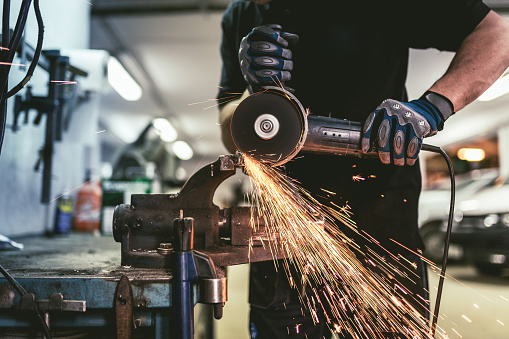
- Power Tools: Power tools increase productivity while maintaining a relatively low cost of entry. For improved efficiency, many users rely on angle grinders, band saws, and circular saws.
- Industrial Equipment: These machines provide consistent results and high production capacity but require greater investment and operator training. Larger-scale operations may use CNC plasma cutters, laser cutting machines, and hydraulic shears.
Factors to Consider When Choosing a Cutting Method
Knowing how to choose the right tool for cutting metal can significantly impact project success. The factors to consider when choosing a cutting method include:
- Material Type: Aluminum, stainless steel, copper, and carbon steel have unique properties that influence tool performance.
- Material Thickness: Thin sheet metal may be effectively cut with snips or shears, while thicker sections often require plasma, laser, or saw cutting equipment.
- Precision Requirements: Projects requiring tight tolerances generally benefit from laser cutting, while rough fabrication work may only require basic mechanical cutting methods.
- Production Volume: For one-off projects, manual or portable power tools may be sufficient. High-volume manufacturing often justifies automated cutting systems.
- Budget Considerations: Budget considerations include equipment cost, maintenance requirements, material waste, and labor expenses.
The Impact of Precision on Project Outcomes
Precision plays a critical role in metal fabrication. Accurate cuts reduce material waste, improve assembly fit, and minimize secondary finishing operations. Poor cutting accuracy can result in costly rework, misaligned components, project delays, and increased material consumption. For aerospace, automotive manufacturing, and construction industries, precision directly affects product quality and structural integrity.
Safety Considerations in Metal Cutting Operations
Metal cutting presents several hazards, including flying debris, sharp edges, high temperatures, and loud noise. Important safety tips for cutting metal include:
- Always wear safety glasses or a face shield.
- Use cut-resistant gloves when handling materials.
- Wear hearing protection when operating power equipment.
- Ensure proper ventilation during thermal cutting processes.
- Secure workpieces before cutting.
- Inspect tools regularly for damage or wear.
- Follow the manufacturer’s operating instructions.
Beginners should also understand common metal cutting mistakes to avoid. These include:
- Using the wrong blade or cutting tool
- Ignoring personal protective equipment
- Cutting unsupported materials
- Applying excessive force
- Skipping measurements before cutting
How Material Suppliers Support Efficient Cutting Operations
Reliable material suppliers play an essential role in successful metal cutting projects. Working with knowledgeable suppliers like Eastern Steel Corporation is beneficial for beginners who need guidance on material selection and cutting requirements. Quality materials help improve consistency, reduce tool wear, and achieve more predictable results. Suppliers also offer precision cutting, custom sizing, inventory management, and more.
Contact Us for Metal Cutting Services
Eastern Steel Corporation proudly offers high-quality metal cutting services in Brooklyn, NY. For almost a century, contractors have trusted us for precise steel products and services. Contact us today to request a metal-cutting quote.